


An effective anti-tumor immune response in human is marked by presence of T cells reactive against neoantigens. Neoantigens are HLA-bound unique peptides arise from tumor-specific somatic mutations. Neoantigens are highly immunogenic because they are not present in normal tissues and hence bypass central thymic tolerance. The success of immune checkpoint blockades such as PD-1 or CTLA-4 that has improved overall survival and patient outcome is due to enhanced T cell cytotoxicity against neoantigen expressing tumor cells. Recent advancement in sequencing technologies, mass spectrometry and machine learning algorithms has enabled systematic neoantigen discovery and reliably predicting neoantigen peptides binding to autologous HLA molecules. Neoantigen discovery has also led to very attractive and innovative personalized cancer therapeutics like adoptive T cell therapy and neoantigen vaccines. Some of the examples of autologous adoptive T cell therapies are neoantigen specific tumor infiltrating T lymphocytes (TIL), neoantigen specific transgenic TCR T cells and MHC independent synthetic chimeric antigen receptor (CAR) T cells.
Identification and isolation of neoantigen-specific T cells are inherently challenging due to the low avidity of T cell receptor (TCR) to MHC peptide complex and very low frequency of neoantigen specific T cells in peripheral lymphocytes. One of the most powerful tools for neoantigen specific T cell identification, isolation, enrichment, and further expansion is MHC tetramer. Each MHC tetramer complex is made up of four monomers of biotinylated MHC heavy chain folded with β2-microglobulin and synthetic peptide coupled with one molecule of streptavidin. The streptavidin in MHC tetramer is linked to a fluorochrome molecule of interest to allow direct staining of neoantigen specific T cells in flow cytometry applications. MHC tetramers can bind up to four TCRs simultaneously and creating a much stronger interaction to detect the rare population of neoantigen-specific T cells. Currently, we are witnessing a surge of large number of clinical trials evaluating personalized neoantigen vaccines and autologous neoantigen specific T cells for cancer immunotherapies. Preliminary data from these clinical trials is very promising and showing complete and durable response. So, is this the beginning of a paradigm shift in personalized cancer therapeutics?
References:
- Schumacher and Robert Schreiber. Neoantigens in cancer immunotherapy. Science 2015
- Waldman A. D. et al. A guide to cancer immunotherapy: from T cell basic science to clinical practice. Nature Review Immunology 2020
- He Q. et al. Targeting cancers through TCR-peptide/MHC interactions Journal of Hematology & Oncology 2019
- Ott P. A. et al. An immunogenic personal neoantigen vaccine for patients with melanoma. Nature 2017
- Cohen C. J. et al. Isolation of neoantigen-specific T cells from tumor and peripheral lymphocytes. J Clin Invest. 2015
Latest Posts
The Journey from Scientific to patient impact

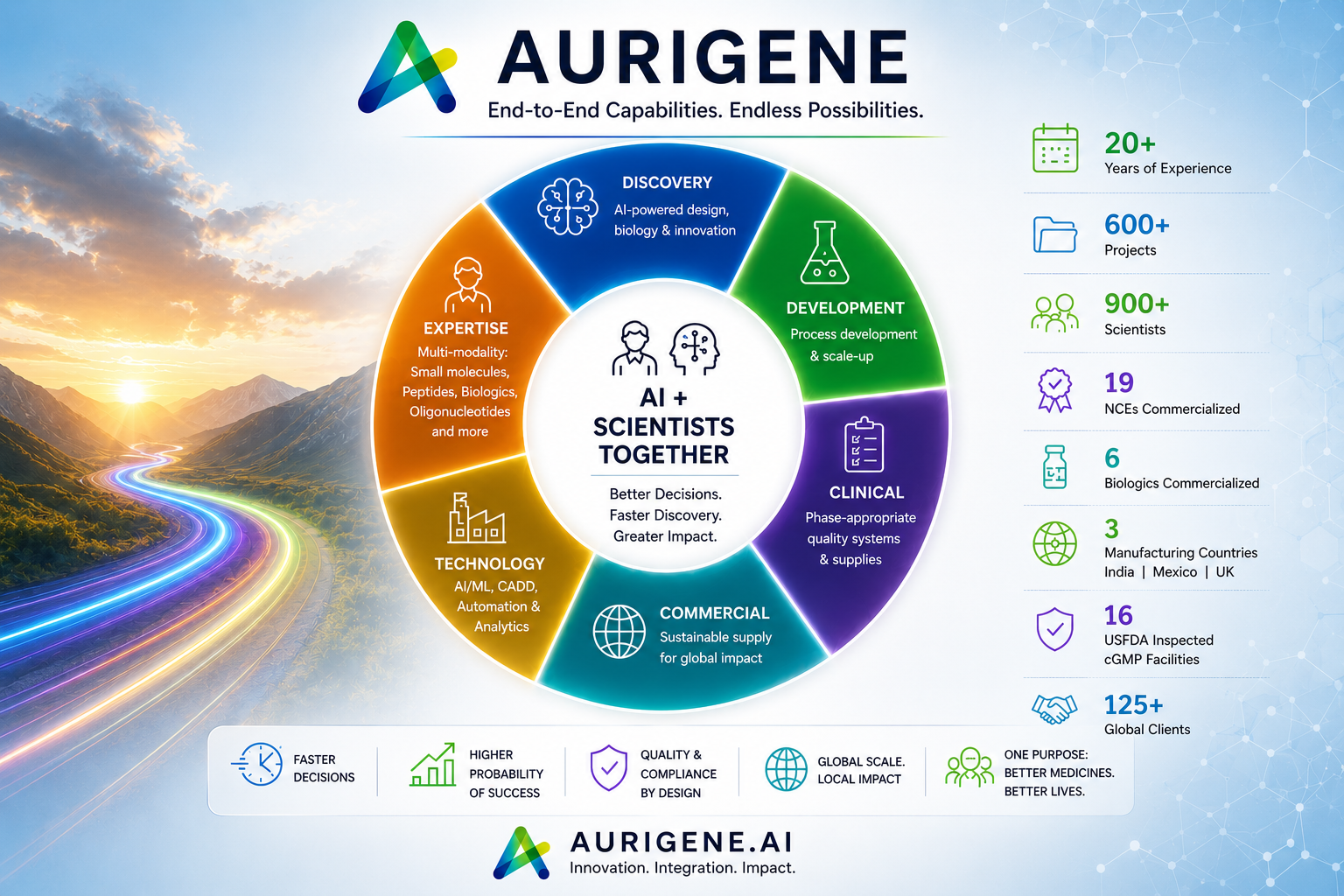
The Journey from Scientific Insight to Patient Impact
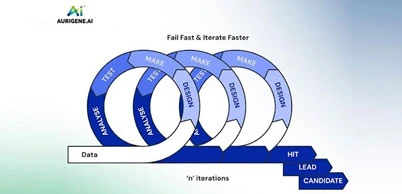
Transforming Drug Discovery with Aurigene.AI
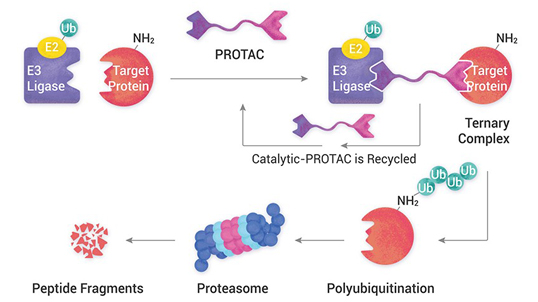
PROTACs: Research for a life without cancer

Good practices in non-clinical toxicology assessment to accelerate IND and NDA Submissions

Advancement in personalized medicine and how the CRDMO industry is part of the solution

HPAPI Development at a Glance

Accelerating Drug Discovery Through Innovative Partnerships
You are about to leave Aurigene Pharmaceutical Services and affiliates website. Aurigene Pharmaceutical Services assumes no responsibility for the information presented on the external website or any further links from such sites. These links are presented to you only as a convenience, and the inclusion of any link does not imply endorsement by Aurigene Pharmaceutical Services.
If you wish to continue to this external website, click Proceed.


Leaving already?
Don't forget to join us at
CPHI Worldwide 2023.
October 24th-26th, 2023 | Barcelona, Spain
Get ready to accelerate your drug’s journey to the market
Comments Pritam
aaa (not verified)
Permalink
aaa (not verified)
Wednesday, October 26, 2022 - 10:24
this is a comment
wes (not verified)
Permalink
In reply to demo by aaa (not verified)
wes (not verified)
Wednesday, October 26, 2022 - 10:26
ddddd
qwasrd (not verified)
Permalink
In reply to demo by aaa (not verified)
qwasrd (not verified)
Wednesday, October 26, 2022 - 10:28
fffff
Anonymous (not verified)
Permalink
In reply to demo by aaa (not verified)
Anonymous (not verified)
Wednesday, October 26, 2022 - 14:58
ddddd
ajaxcomment (not verified)
Permalink
ajaxcomment (not verified)
Wednesday, October 26, 2022 - 11:01
ajax comment
ajaxcomment (not verified)
Permalink
ajaxcomment (not verified)
Wednesday, October 26, 2022 - 11:01
ajax comment
aps (not verified)
Permalink
aps (not verified)
Wednesday, October 26, 2022 - 11:02
ssssss
Fixation (not verified)
Permalink
Fixation (not verified)
Wednesday, October 26, 2022 - 11:05
fixed
Anonymous (not verified)
Permalink
Anonymous (not verified)
Wednesday, October 26, 2022 - 12:06
wwww
Add new comment