

Challenges in Traditional Drug Discovery:
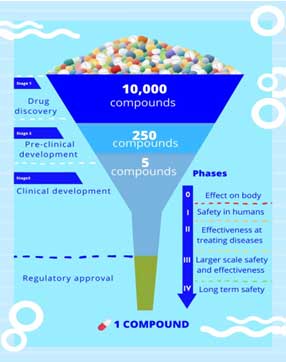
High, lengthy timelines, Limited success rates and complexity of biological systems. Currently, medicinal chemistry methods rely heavily on a hit-and-miss approach and largescale testing techniques. These techniques involve examining large numbers of potential drug compounds in order to identify those with the desired properties. However, these methods can be slow, costly, and often yield results with low accuracy.
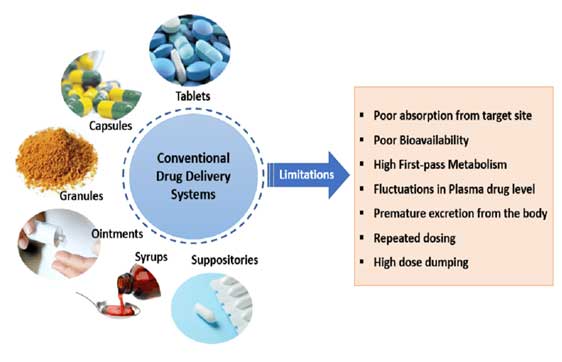
Key challenges:
- Data availability and quality.
- AI for drug discovery requires massive amounts of data for training and supervised learning.
- Data standardization
- Data annotation
- Integration into traditional methods
- Validation to real-world scenarios
- Synthetic feasibility of AI derived molecules.
- Costs.
Ethical Considerations:
- Data privacy and security
- Bias in AI algorithms
- Regulatory challenges
- The use of AI in the pharmaceutical industry also raises concerns about job loss due to automation. It is important to consider the potential impact on workers and provide support for those who may be affected.
AI in Drug Discovery:
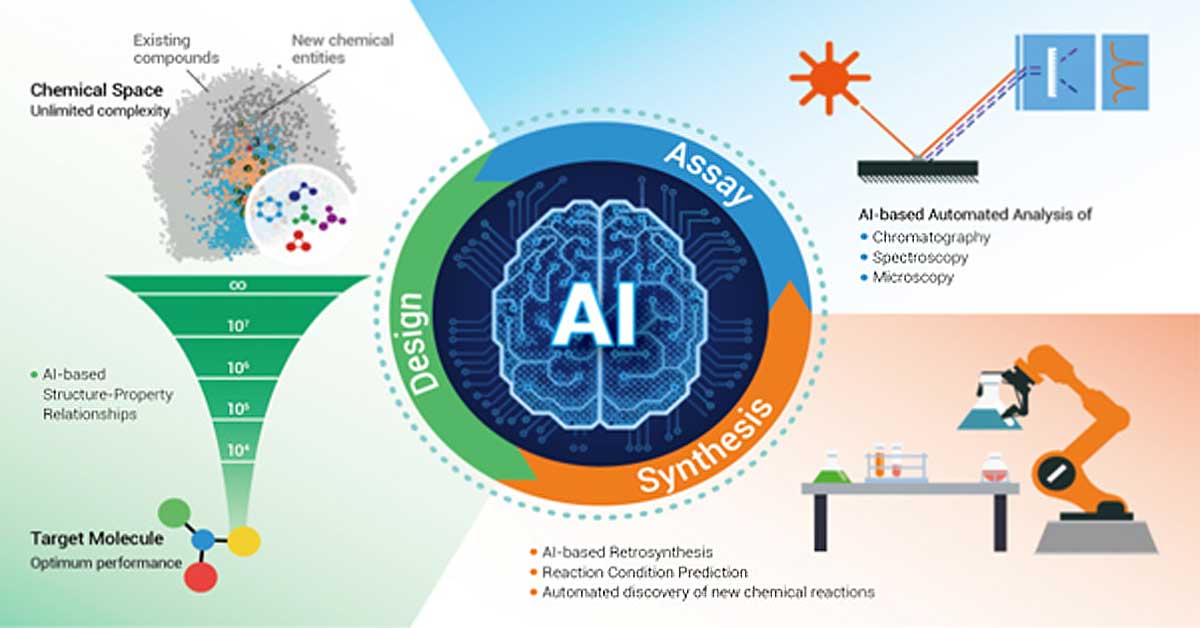
- The use of artificial intelligence (AI) in medicinal chemistry has gained significant attention in recent years as a potential means of revolutionizing the pharmaceutical industry.
- Artificial intelligence (AI) techniques have the potential to revolutionize drug release modeling, optimize therapy for personalized medicine, and minimize side effects by applying AI algorithms.
- This AI-based approach has the potential to improve treatment outcomes, enhance patient satisfaction, and advance the field of pharmaceutical sciences.
Importance of Drug Discovery:
The goal of a drug discovery program is to deliver one or more clinical candidate molecules, each of which has sufficient evidence of biologic activity at a target relevant to a disease as well as sufficient safety and drug-like properties so that it can be entered into human testing.
How AI Works in Drug Discovery:
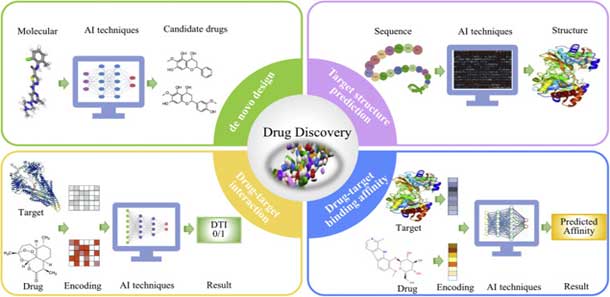
- Machine learning algorithms
- Deep learning techniques
- Data integration and analysis
- Virtual screening and molecular modeling
- One of the key applications of AI in medicinal chemistry is the prediction of the efficacy and toxicity of potential drug compounds.
- AI-based approaches by analyzing large datasets of known drug interactions and recognizing patterns and trends. This has been recently addressed by a ML algorithm to accurately predict the interacti ons of novel drug pair
AI Applications in Drug Discovery:
- Drug repurposing
- De novo drug design
- Biomarker discovery
- Personalized medicine
- Another important application of AI in drug discovery is the identification of drug-drug interactions that take place when several drugs are combined for the same or different diseases in the same patient, resulting in altered effects or adverse reactions.

Future Directions:
- Integration of AI with other technologies (e.g., CRISPR)
- Democratization of drug discovery
- AI-driven healthcare systems.
- It is clear that we are at a turning point as it relates to the convergence of the practice of medicine and the application of technology, and although there are multiple opportunities, there are formidable challenges that need to be overcome as it relates to the real world and the scale of implementation of such innovation.
- A key to delivering this vision will be an expansion of translational research in the field of healthcare applications of artificial intelligence. Alongside this, we need investment into the upskilling of a healthcare workforce and future leaders that are digitally enabled, and to understand and embrace, rather than being intimidated by, the potential of an AI-augmented healthcare system.
Latest Posts
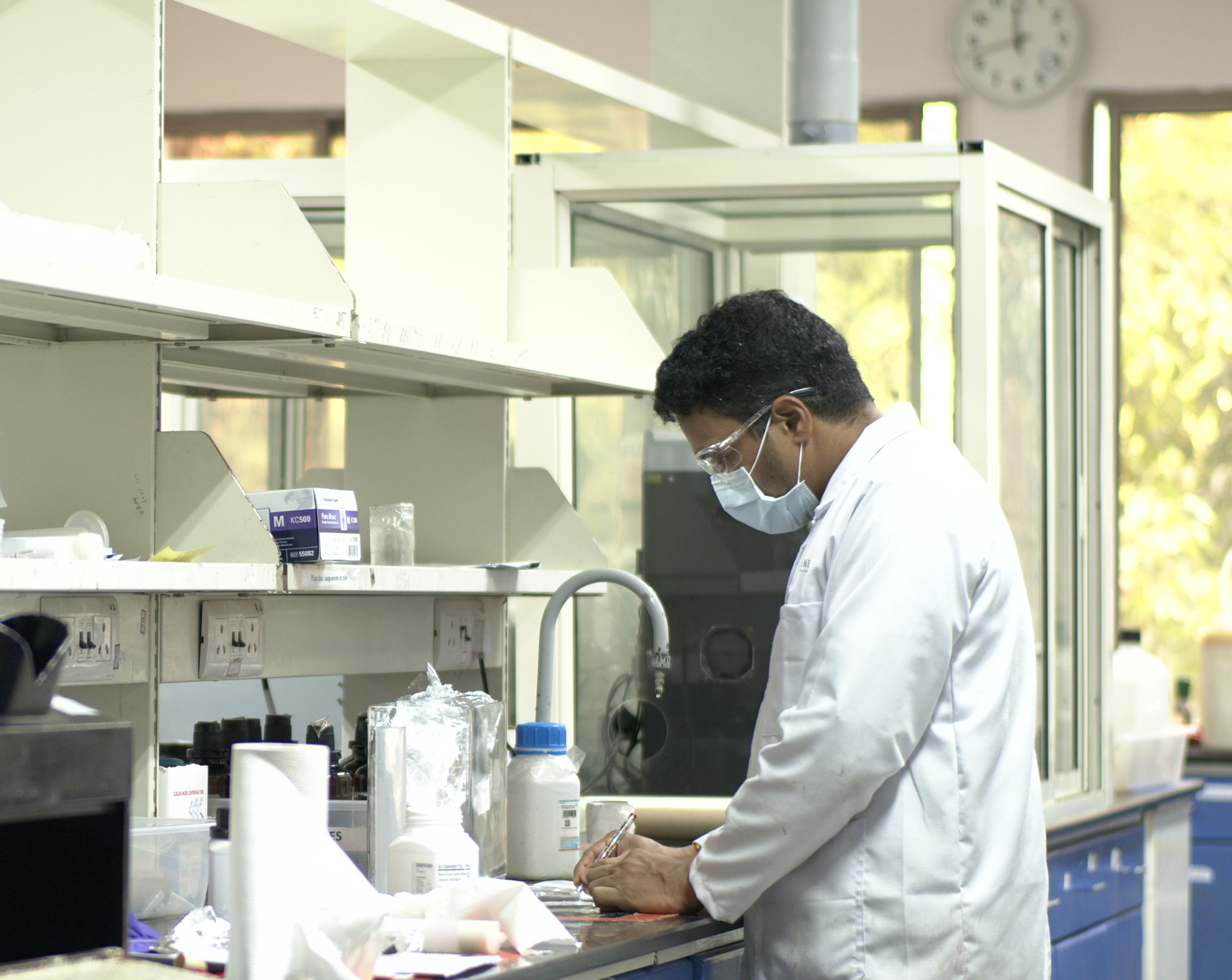
寡核苷酸作为一种新型治疗方式

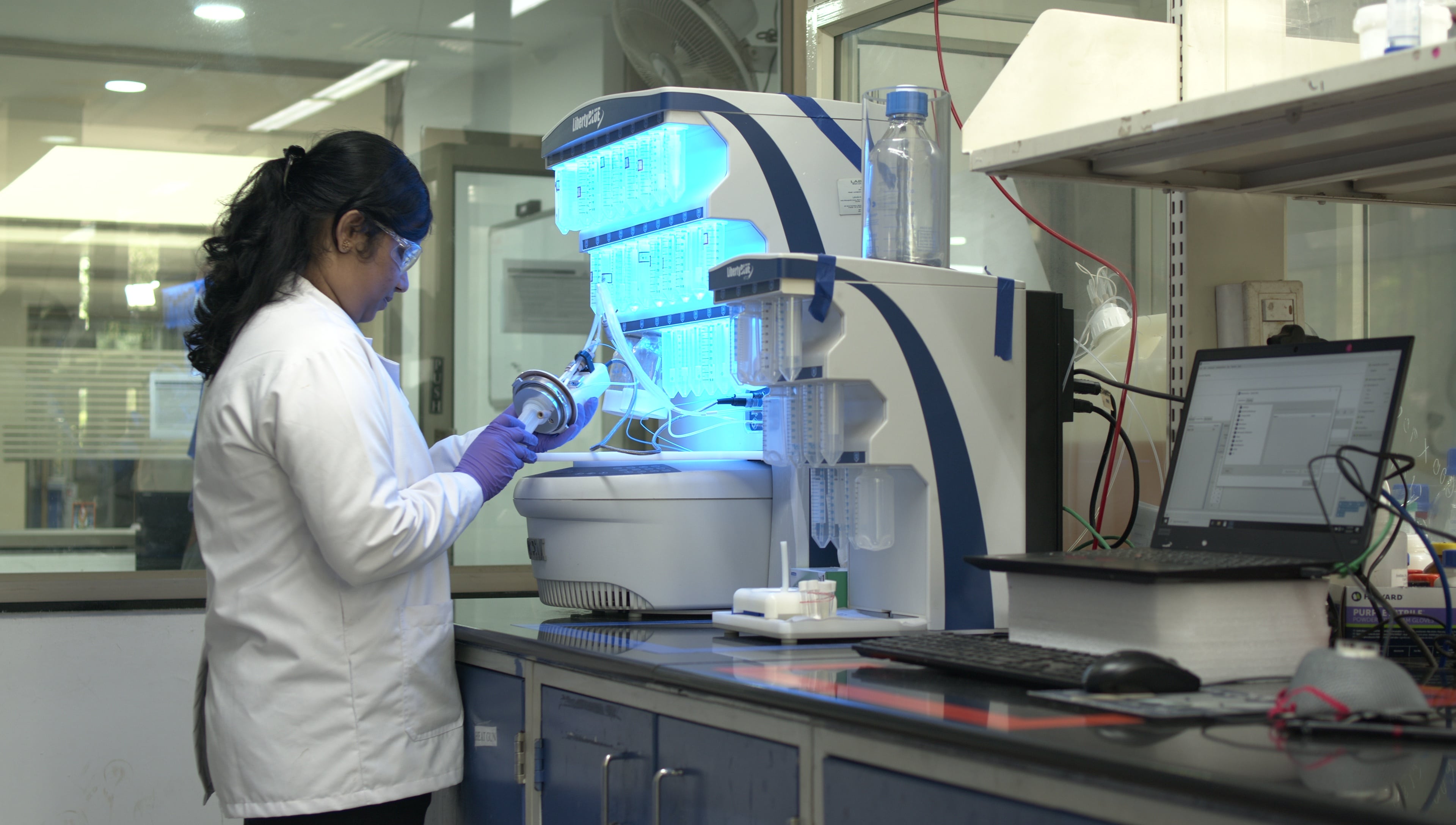
Emerging Trends in Solid Phase Peptide Synthesis
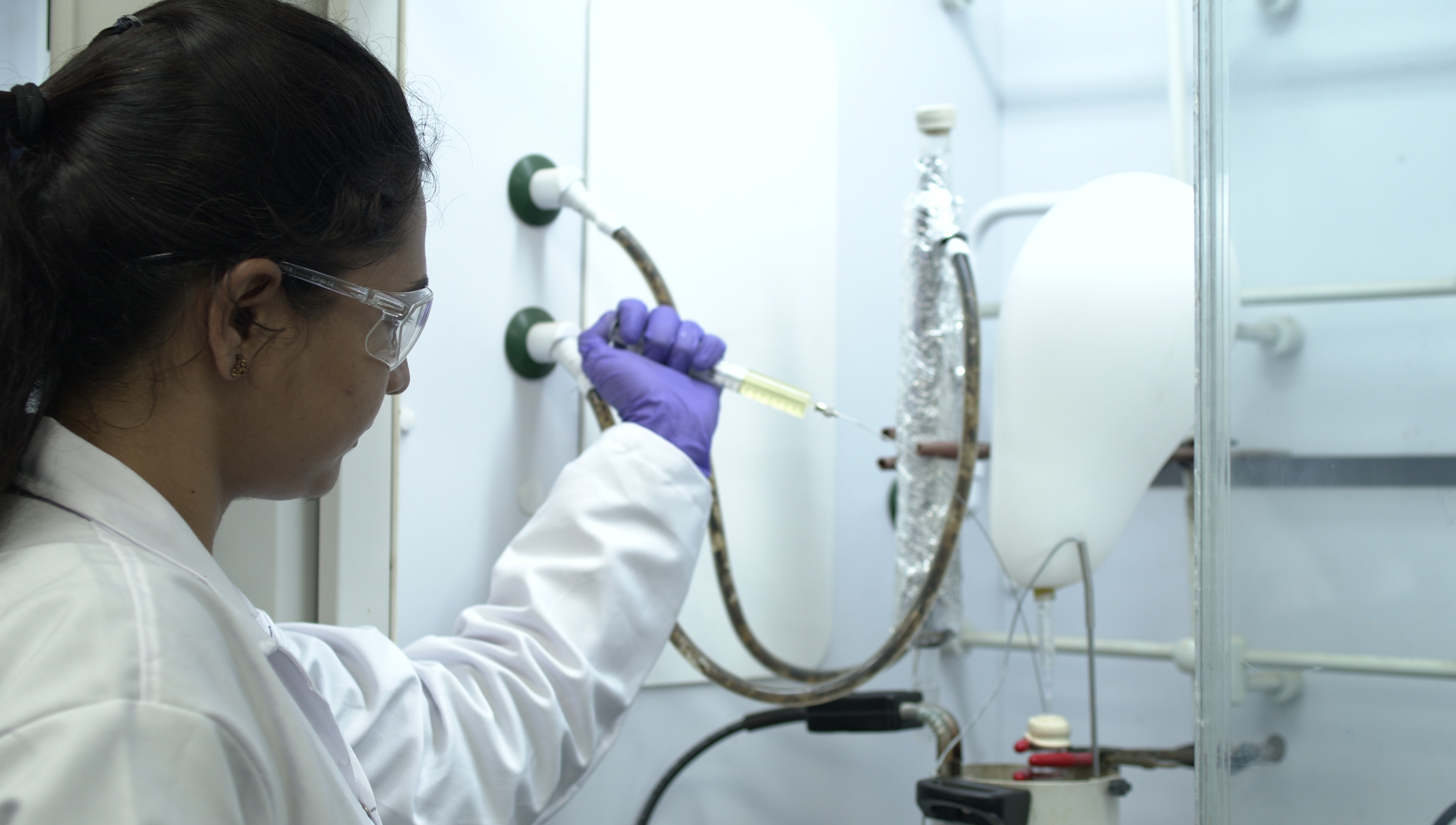
Introduction to PROTAC
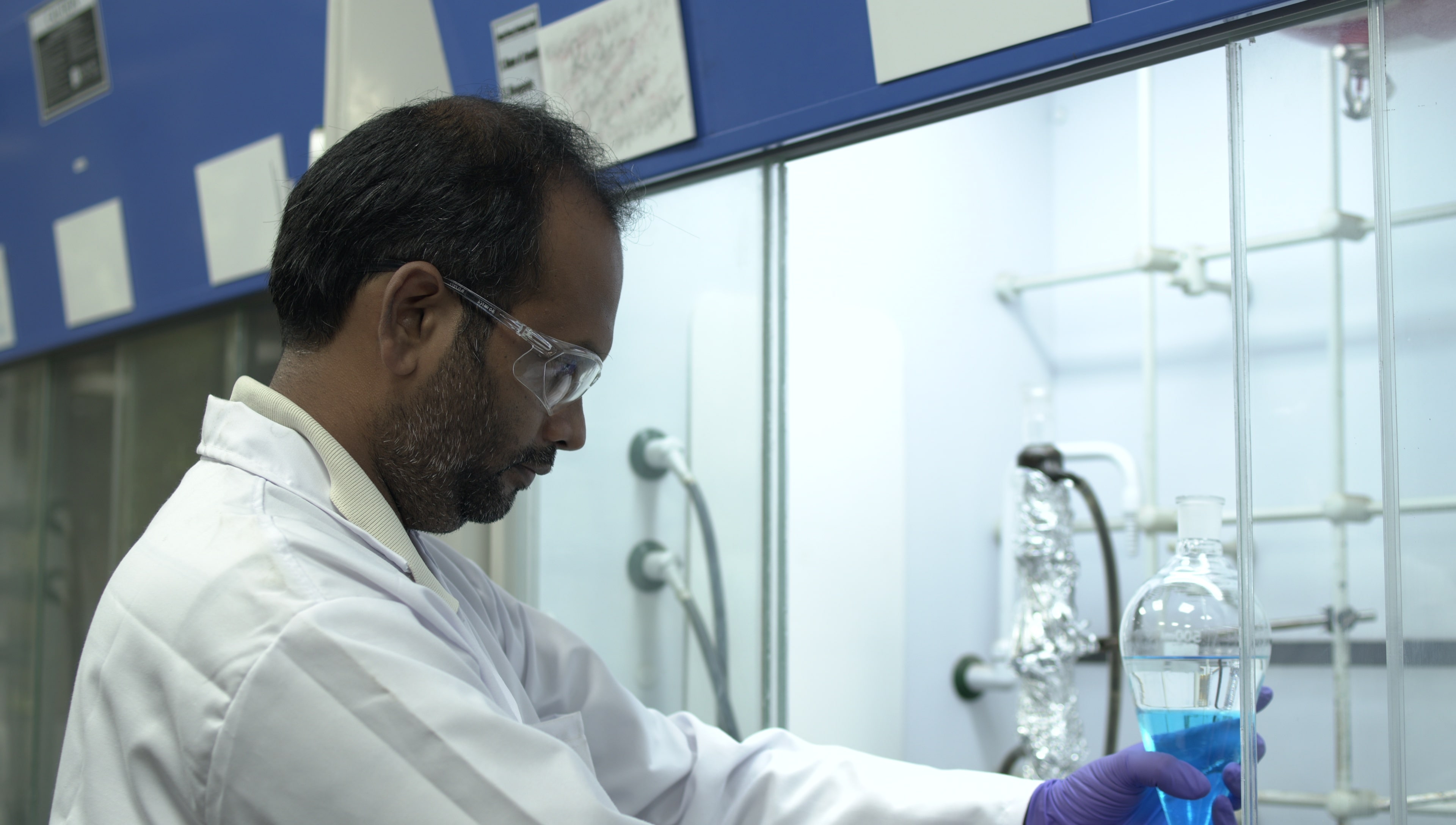
Advantages of PROTACs over traditional drugs
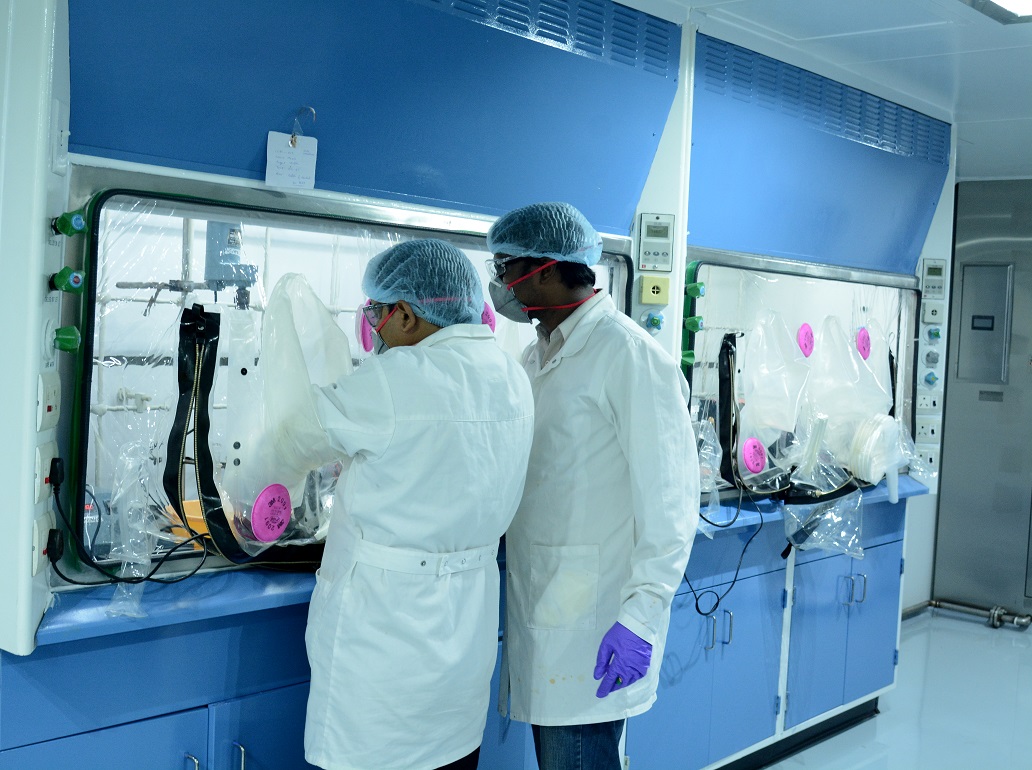
Importance of Route Scouting in Chemical Development
Accelerating Drug Discovery Through Innovative Partnerships
Evolution in Pharma Industry and Demand for Integrated CDMO
Peptide Development and Manufacturing
You are about to leave Aurigene Pharmaceutical Services and affiliates website. Aurigene Pharmaceutical Services assumes no responsibility for the information presented on the external website or any further links from such sites. These links are presented to you only as a convenience, and the inclusion of any link does not imply endorsement by Aurigene Pharmaceutical Services.
If you wish to continue to this external website, click Proceed.

Leaving already?
Don't forget to join us at
CPHI Worldwide 2023.
October 24th-26th, 2023 | Barcelona, Spain
Get ready to accelerate your drug’s journey to the market
Add new comment